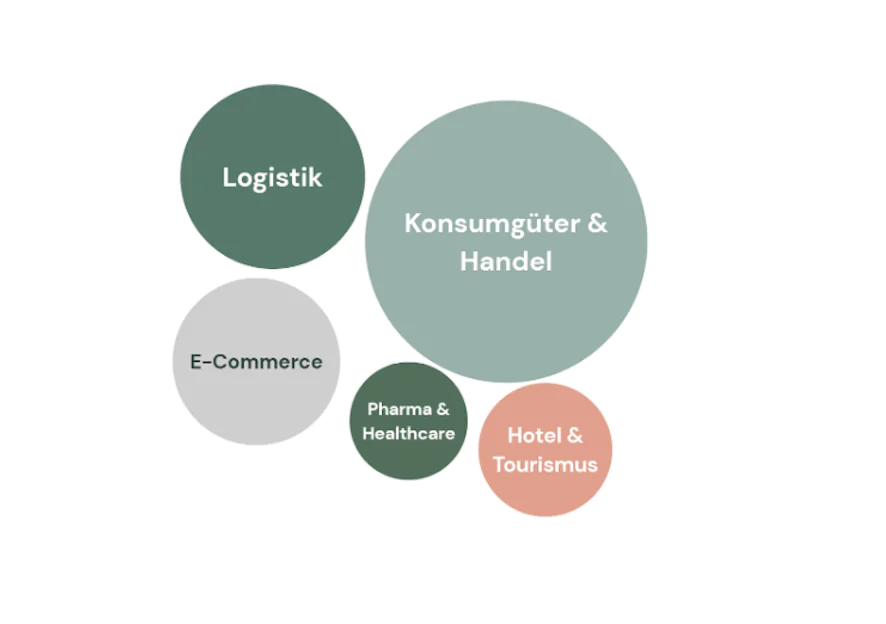
Starting in 2026, the new EU Packaging Regulation will take effect, affecting nearly every business. The Packaging and Packaging Waste Regulation (PPWR) establishes, for the first time, binding rules for packaging across Europe and defines theframework within which companies must operate in the future. Consumer goods, retail, logistics, and e-commerce are particularly affected. However, small and medium-sized enterprises in other industries must also fundamentally review and adapt their packaging portfolios.

The first provisions of the PPWR will take effect as early as August 12, 2026. By 2030, the majority of the requirements will be fully in force. From recycled content targets and stricter reporting requirements to volume limits, companies will have to make significant changes to their existing packaging designs and supply chains.
The pressure to act is growing, not only due to EU deadlines but also because of heavy fines for non-compliance. The PPWR offers companies that act early new opportunities for differentiation, increased efficiency, and strengthening their ESG positioning.
Cost reduction and increased transport efficiency through reduced packaging volume and weight
Innovation for sustainable packaging design
Early securing of suitable input materials
Reduction of GHG footprint through material reduction/alternative materials
Compliance support through data input for CSRD ESRS E5
The PPWR is still in its infancy—and that’s what makes it complex. Without established blueprints and technical standards, many companies remain unsure of how to proceed in practice. At the same time, the new requirements regarding materials, recycling, and labeling have a direct impact on packaging and product design—and demand greater transparency and collaboration with the supply chain. We combine years of experience in sustainability strategy consulting with expertise in data management, supplier engagement, and the development of product and decarbonization strategies.
This allows us to translate regulatory PPWR requirements into concrete, actionable measures. In addition, thanks to our extensive IT network, we have suitable industry partners at our side to jointly develop the data architecture and software solutions that are right for you.
Companies typically use a wide variety of packaging types, systems, and materials. Keeping track of the different requirements for primary, secondary, and tertiary packaging can be challenging. We conduct a PPWR Gap Check: Together, we classify your packaging materials and types, assess data availability, and review your portfolio for PPWR compliance. From this, we derive a structured risk assessment that identifies potential non-compliance risks and prioritizes the most critical areas for action—serving as a solid data foundation for all subsequent steps.
The PPWR defines clear roles and obligations for manufacturers, producers, and suppliers. In practice, however, supply chains are complex: packaging materials often come from multiple suppliers, and collecting data on time becomes a challenge.
We help you establish structured communication with your suppliers: from maturity analysis and the joint development of suitable solutions to empowering your suppliers. Whether through letters of commitment, questionnaires, or targeted PPWR templates, we help you prepare your supply chain for the new requirements and ensure the flow of data throughout the entire value chain.
Regulatory requirements don’t just affect packaging development—they impactprocurement, product management, and logistics in equal measure. We map out the current processes in your departments and evaluate the results of thegapanalysis for each area.
In targeted workshops, we develop concrete measures to close identified gaps. At the same time, we identify levers and overlaps with overarching sustainability requirements—from the CSRD and the Carbon Border Adjustment Mechanism (CBAM) to your climate strategy. This allows you to meaningfully integrate PPWR data points into your overall strategy.
PPWR compliance requires a robust data infrastructure. Based on the results of the gap analysis and classification, we evaluate your existing IT landscape, define the necessary system requirements, and assist you in selecting and implementing suitable tools. We develop a strategy for compliance with PPWR regulations in alignment with your chosen tool solution. This ensures that your systems reliably capture, structure, and process packaging-related data.
The PPWR significantly increases regulatory requirements for manufacturers and distributors. In the future, packaging-related data must be systematically collected and submitted to the relevant authorities by the specified deadlines.
We help you maintain transparency and control over your packaging-related data, prepare it in accordance with the PPWR, and develop a roadmap for successful implementation. In addition, we train your internal teams and external suppliers to ensure that awareness of and readiness for the new requirements are firmly established.


Early PPWR compliance reduces material costs through optimized packaging design and ensures access to suitable input materials as recycled content rates increase. The resulting data transparency also strengthens supplier relationships in the long term.

PPWR data provides valuable inputs for GHG accounting and CSRD reporting (ESRS E5). By leveraging these synergies, you can avoid duplicate data collection and integrate packaging compliance into your overarching sustainability strategy.


